Quick Summary
Feeling left out in your grandchildren's lives is painful, but it usually reflects family dynamics rather than rejection. This post shows how to understand the distance and take practical steps toward reconnection.
You’ve followed the rules. You’ve bitten your tongue. You’ve offered help, respected their parenting choices, and done everything right – and still, something feels off. You’re on the periphery. Visits are polite but not warm. Your grandchildren seem closer to the other set of grandparents. You leave family gatherings feeling like a guest instead of family.
If that sounds familiar, you’re not alone. Feeling like an outsider in your grandchildren’s lives is one of the most quietly painful experiences a grandparent can face.
Distance – emotional or geographic – doesn’t always come from conflict. Sometimes it builds slowly, through nothing more dramatic than busy schedules, different communication styles, and years of small missed connections. Other times, it grows from a season of tension that was never fully resolved.
The parents in your grandchildren’s lives may not even realize you feel this way. Or they may, and aren’t sure how to address it either.
Understanding the cause matters before you can change the pattern.
Start with an honest conversation – not with the grandchildren, but with yourself. Ask: Have I done something to create this distance, or is this a circumstance I need to work around?
If there’s something to own, own it. A specific, sincere apology – not a vague “I’m sorry if I offended you” – goes further than years of good behavior.
If it’s circumstantial, the answer is intentionality. Presence doesn’t require proximity. A weekly video call, a handwritten letter, a shared project, a tradition that belongs only to you and your grandchildren – these are the threads that weave connection across distance and busyness.
Talk to the parents directly. Tell them honestly: “I want to be more present in the kids’ lives. What would be most helpful to you?” That question – asked without agenda – often opens more doors than any strategy.
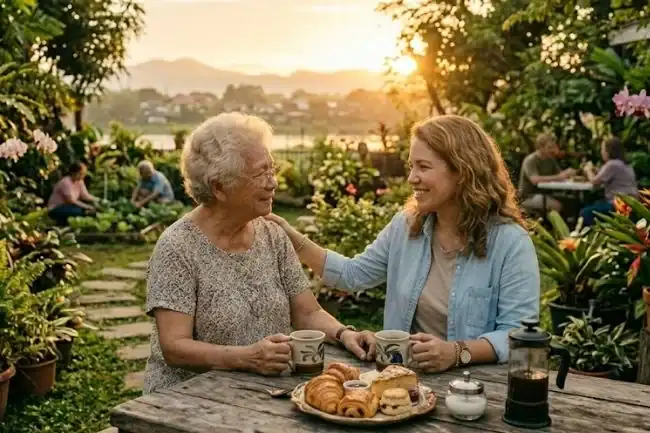
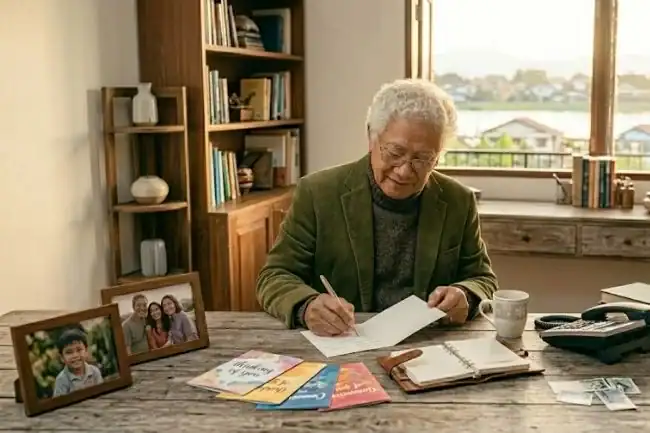
Your grandchildren will remember how you made them feel, not how often you were physically present. Consistency, warmth, and genuine interest in who they are becoming – those are the things that stick.
Feeling like an outsider today doesn’t mean you’ll be one forever. The bridge is still buildable. Start with one plank.